Liquid painting
Electrophoretic Coating Equipment
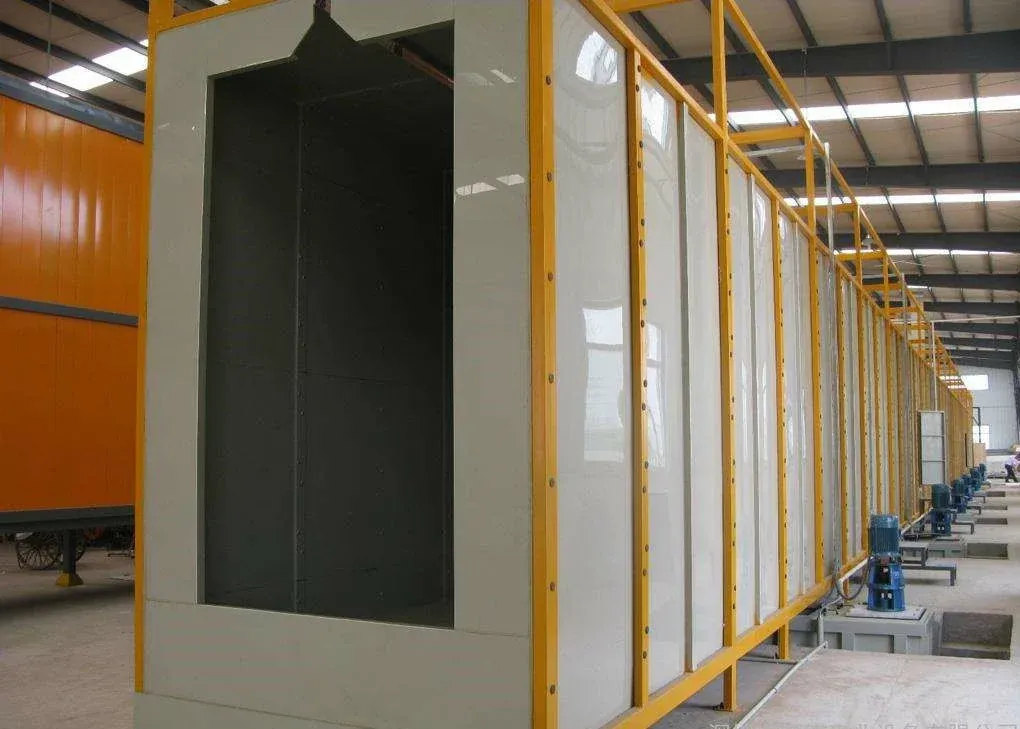
Electrophoretic coating equipment for industrial metal parts, including tanks, conveying and cure stages manufactured by XFS Equipment.
Purpose
What it is used for
Electrophoretic coating deposits a uniform organic film on conductive parts by immersing them in a charged bath, then rinsing and curing the film.
Details
Key Features
- E-coat tank and associated rinse stages
- Overhead or other conveying through the bath
- Cure oven coordinated with the e-coat film
- Often paired with spray pretreatment ahead of the bath
Configuration
Available Configurations
- Tank size set to the largest workpiece and hanger
- Anodic or cathodic process selected with the coating supplier
- Line speed set by immersion time and oven dwell
Integration
Integration with a Complete Line
- Can be integrated with pretreatment, application, curing, and conveying stages as required.
- Controls options include manual, semi-automatic, or automatic arrangements subject to design.
- Final specification depends on product size, process time, and output requirements.
- Application context: Automotive and machinery components
- Application context: Fabricated metal parts needing wrap-around coverage
- Application context: Parts that later receive powder or liquid as a topcoat
Related
Related Systems
Related
Related Equipment
FAQ
Electrophoretic Coating Equipment FAQ
Answers to the questions we are asked most often when a finishing line is being planned.
Is e-coat a replacement for powder coating?
Not always. E-coat is often chosen for corrosion coverage in recesses. Powder or liquid may still be used as a decorative or extra-durable topcoat. XFS Equipment can build either process or both on one line.
Electrophoretic coating remains an active XFS Equipment product family. Tank geometry, hangers and cure time are set from the workpiece, not from a generic catalogue sheet.
Request a Quote for Electrophoretic Coating Equipment
Tell us about the products, process, and plant conditions so we can discuss suitable equipment configurations.
Direct contact
- +1 647-763-6839
- info@xfsequipment.com
- 139 Gillard Ave, Toronto, Ontario, Canada